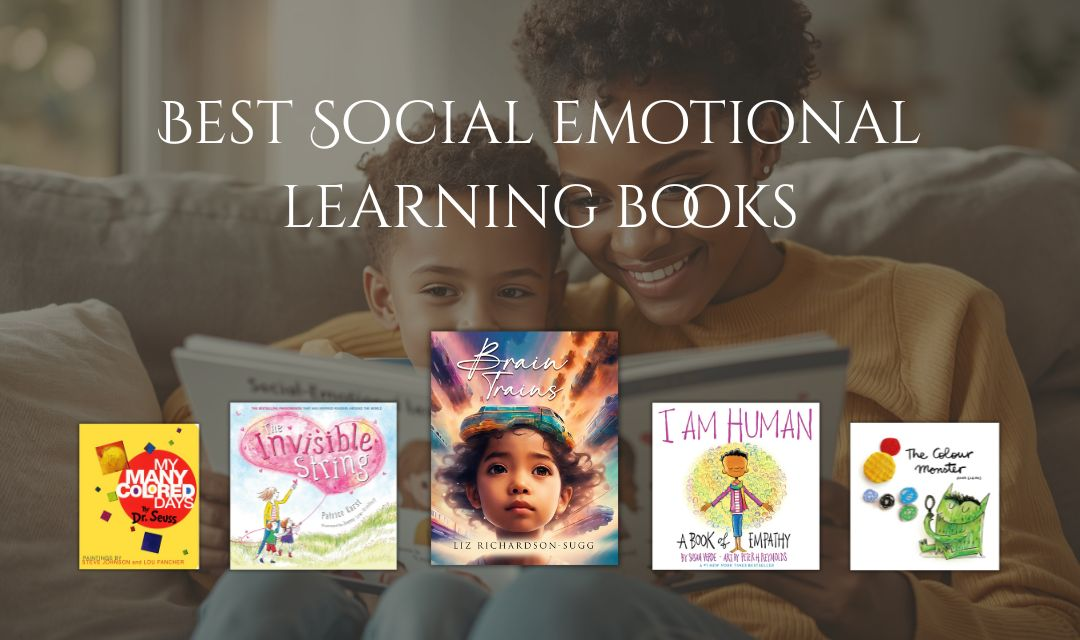
Social emotional learning books possess a special place in this ever-evolving world where teaching kids has become a challenging task. The need to teach them about learning emotions cannot be ignored. It helps them make good choices and move on compatibly with others in society. These important skills are called Social and Emotional Learning (SEL). SEL helps kids become kind, confident, and strong as they grow up.
Books To Boost Social and Emotional Learning Skills
Get ready to elevate your bookshelves with the addition of masterpieces mentioned in our blog that are good enough to teach kids efficiently about feelings, emotions and understanding others. Grab a cup of coffee and explore these Books To Boost Social and Emotional Learning Skills and discover why social emotional learning matters.
“Brain Trains“ by Liz Richardson-Sugg: The Best Among Social Emotional Learning Books for Kids
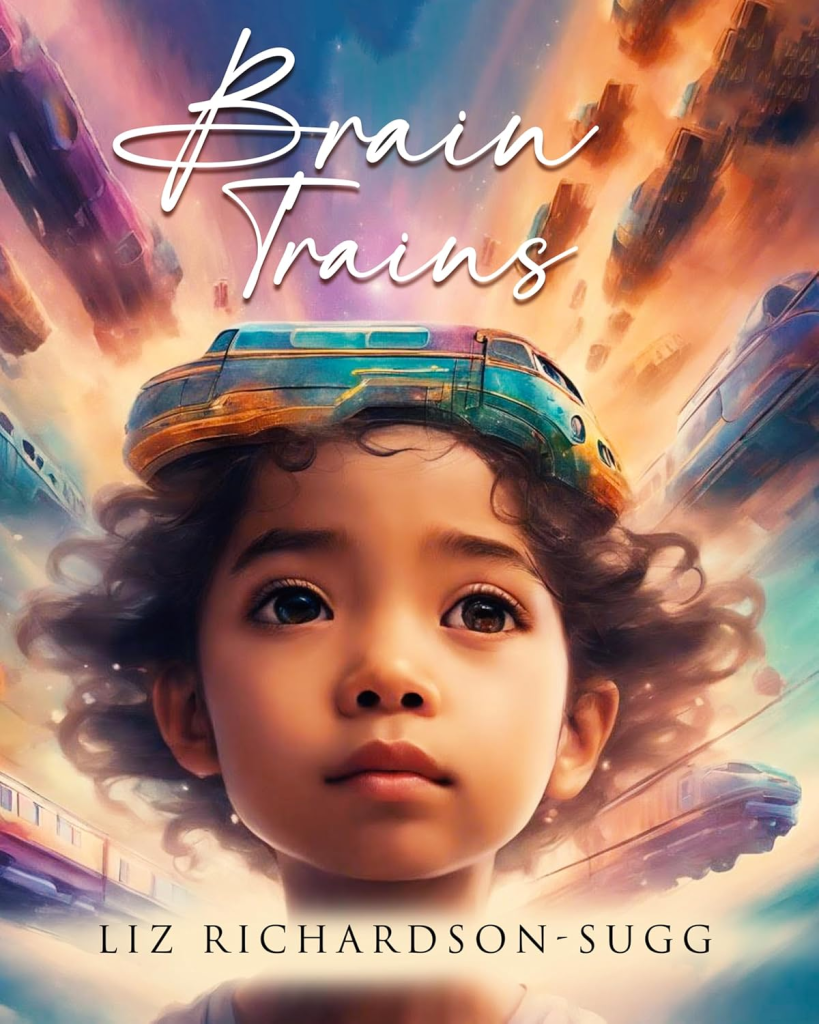
Have you ever thought about your thoughts being like trains? That’s what Brain Trains by Lizz Richardson-Sugg is all about. This story helps kids imagine that they are the driver of their own “brain trains.” They get to choose which trains (or thoughts) to ride and which ones to let go.
Many kids get mixed up or freaked out by their thoughts and feelings. The book Brain Trains makes such feelings more understandable by depicting them in an easy and enjoyable manner. Rather than feeling paralyzed or uncertain, children find out they can have the power. They discover that they have the ability to decide how to react to things and which thoughts to listen to.
Brain Trains may be used as a bedtime story or as a relaxing meditation as well. Seen through soft words, peaceful pictures, and a kind message, the book assists kids in relaxing their bodies and minds. In case your child is anxious, restless and cannot sleep, this book may become an effective tool to follow on a daily basis.
The kind of talk is exactly what books on Social Emotional Learning (SEL) are designed to facilitate. Brain Trains is used to assist children in discovering new words concerning feelings, how we speak to ourselves in our minds, and how to make children think about their thoughts and actions. It is not only a book; it assists children in initiating crucial conversations on their feelings.
Brain Trains is designed for children, but parents and caregivers like it too. As adults read the book with their children, they also learn something from it. The story reminds them that thoughts don’t stay forever and that it’s acceptable to take a time out when you are stressed or worried. Reading it together brings families closer, and it makes it easier to talk about feelings.
For Teachers: Brain Trains isn’t just another book to toss on the shelf. Instead, it’s a real classroom tool. Picture this: circle time where kids open up about their feelings, quiet mindfulness moments to reset after recess chaos, or even an art project where they sketch their own “brain trains.” The best part? It’s so straightforward with no complicated lessons. All it offers are just clear, relatable ways to help kids navigate big emotions.
And let’s be honest—today’s kids are juggling a lot. Stress, overwhelm, all those big feelings crashing in at once. Brain Trains gives them (and honestly, us adults too) a way to pause. To breathe. To realize feelings aren’t something to fear, but something we can learn to ride out.
If you’re looking for a book that explains why social emotional learning matters and actually gets kids—one that turns emotional learning into a playful journey—this is it. By the last page, something shifts. Kids walk away feeling steadier, like they’ve got a secret map to their own minds. And isn’t that what we all want for them?
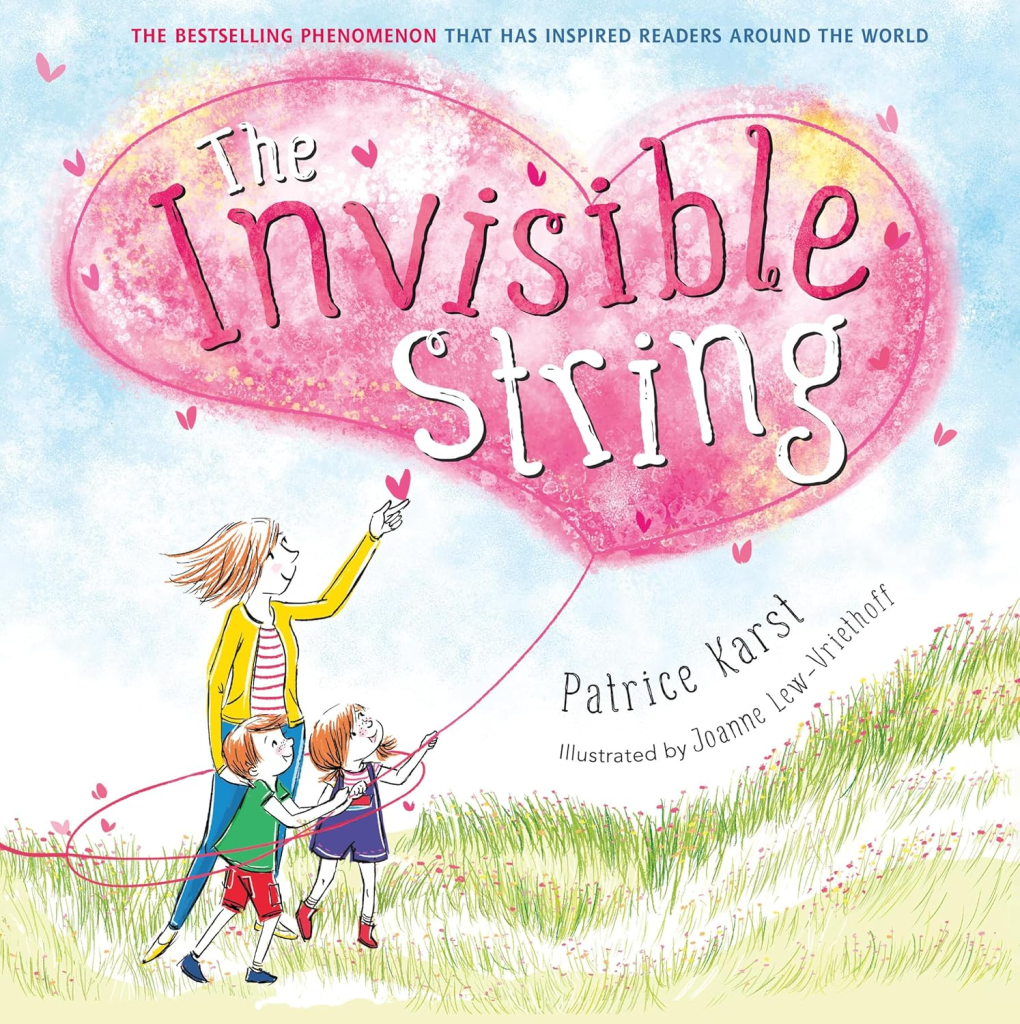
“The Invisible String“ by Patrice Karst
Ages 4–8
Why it hits home:
Love doesn’t care about distance. Whether it’s a parent deployed overseas, a grandparent who’s passed away, or just first-day-of-school jitters, this book wraps kids in the warmest truth: we’re always connected. That “invisible string”? It’s unbreakable.
Parents swear by it for:
Military families navigating long separations
Easing grief or anxiety with a tangible comfort
Bedtime reassurance when the world feels too big
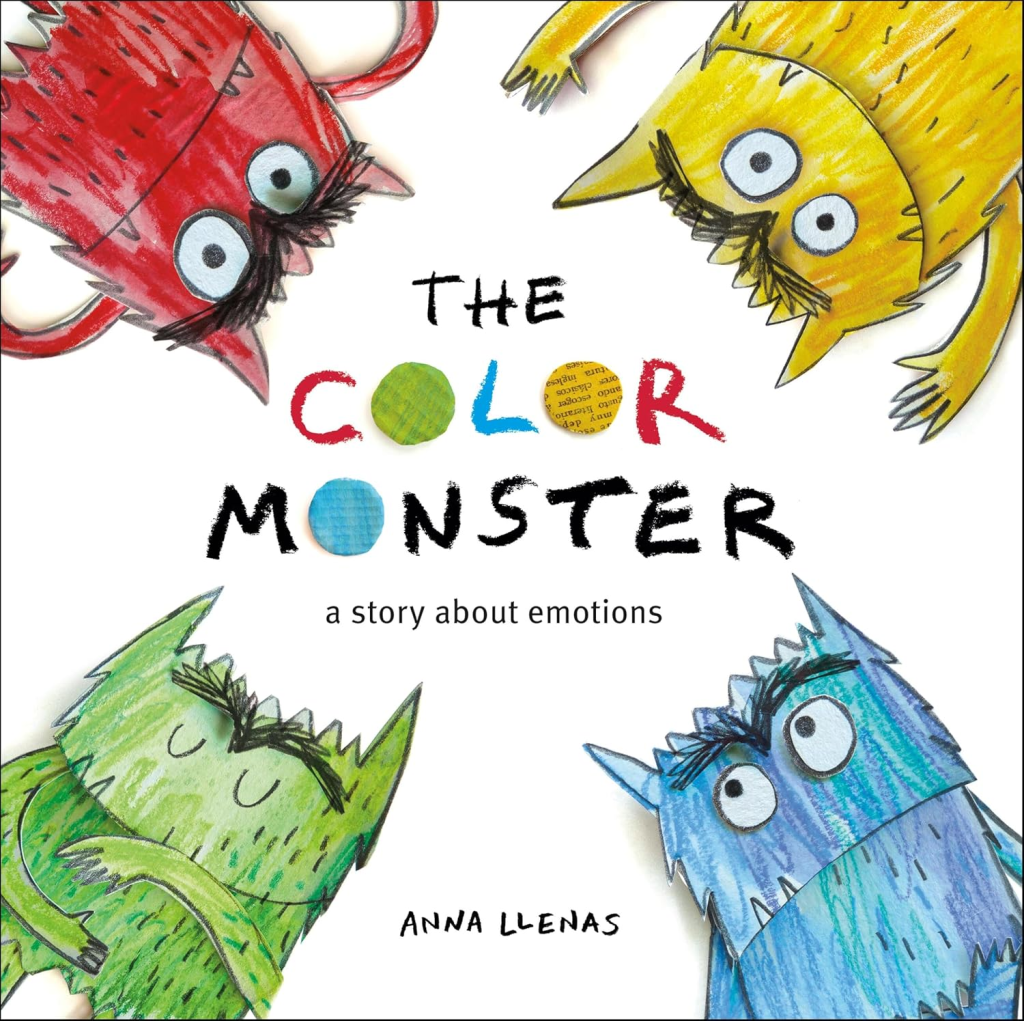
“The Color Monster“ by Anna Llenas
Ages 3–7
Why it stands out:
Meet one flustered, multicolored monster—his emotions are a tangled mess! Luckily, a patient little girl helps him sort it out: yellow for joy, blue for sadness, and red for anger (cue the fiery pop-up illustrations). It’s like a feelings crash course, but with confetti and monsters.
Magic moment:
When your kid points to the page and says, “That’s how my tummy feels!”—and suddenly, they have the words. SEL focus: Helping kids understand and name their feelings
Why parents love it: It’s an easy and helpful way to teach kids the words they need to talk about their emotions—an important part of learning how to handle feelings.
“Have You Filled a Bucket Today?“ by Carol McCloud
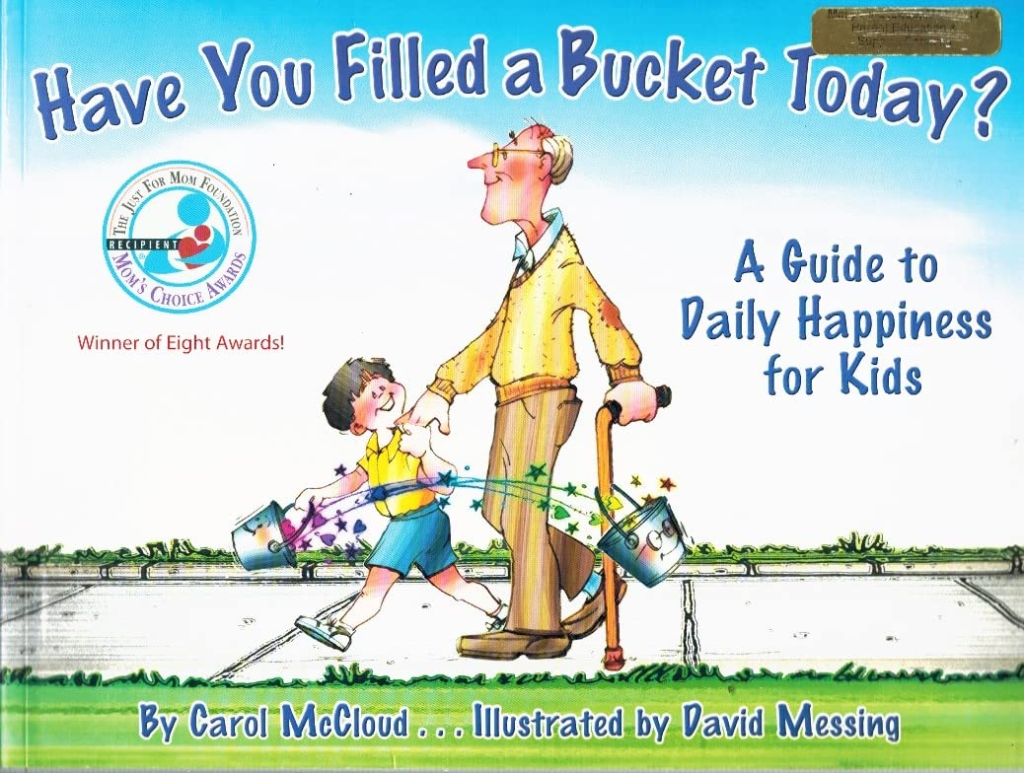
Age Group: 4–9 years
Why it’s great:
This book uses a simple idea called “bucket filling” to teach kids to be kind and caring. It says that everyone has an invisible bucket. When you do something nice for someone, you fill their bucket—and your own too!
SEL focus:
It helps kids learn about kindness, caring for others, and making good friendships.
Why parents love it:
It’s easy to understand and can be used every day to remind kids to be thoughtful and kind.
“My Many Colored Days“ by Dr. Seuss: Best Emotional Literacy Books for Kids
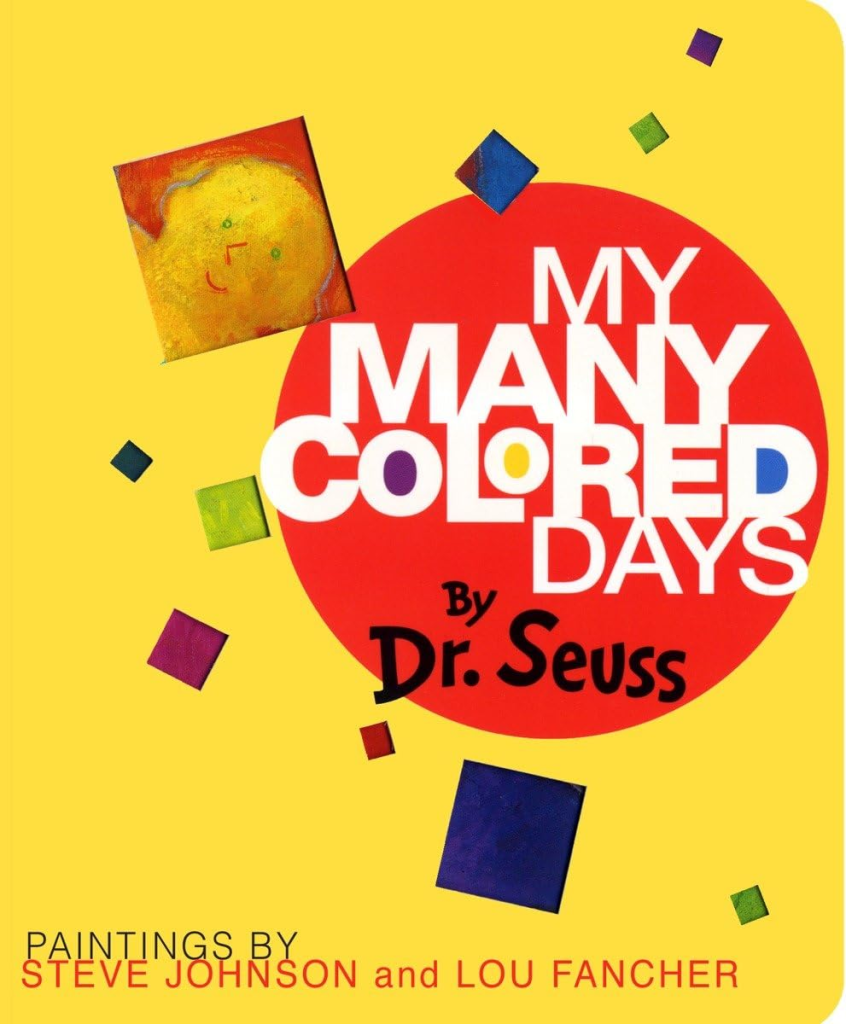
Age Group: 3–7 years
Why it’s great:
Dr. Seuss uses fun rhymes and bright pictures to help kids understand their feelings. Each color in the book shows a different emotion, like happy, sad, or angry. This makes it easier for young children to know how they feel.
SEL focus: Learning about feelings and how to deal with them
Why parents love it:
It’s a great first book to teach little kids about emotions in a simple and fun way.
“I Am Human“ by Susan Verde
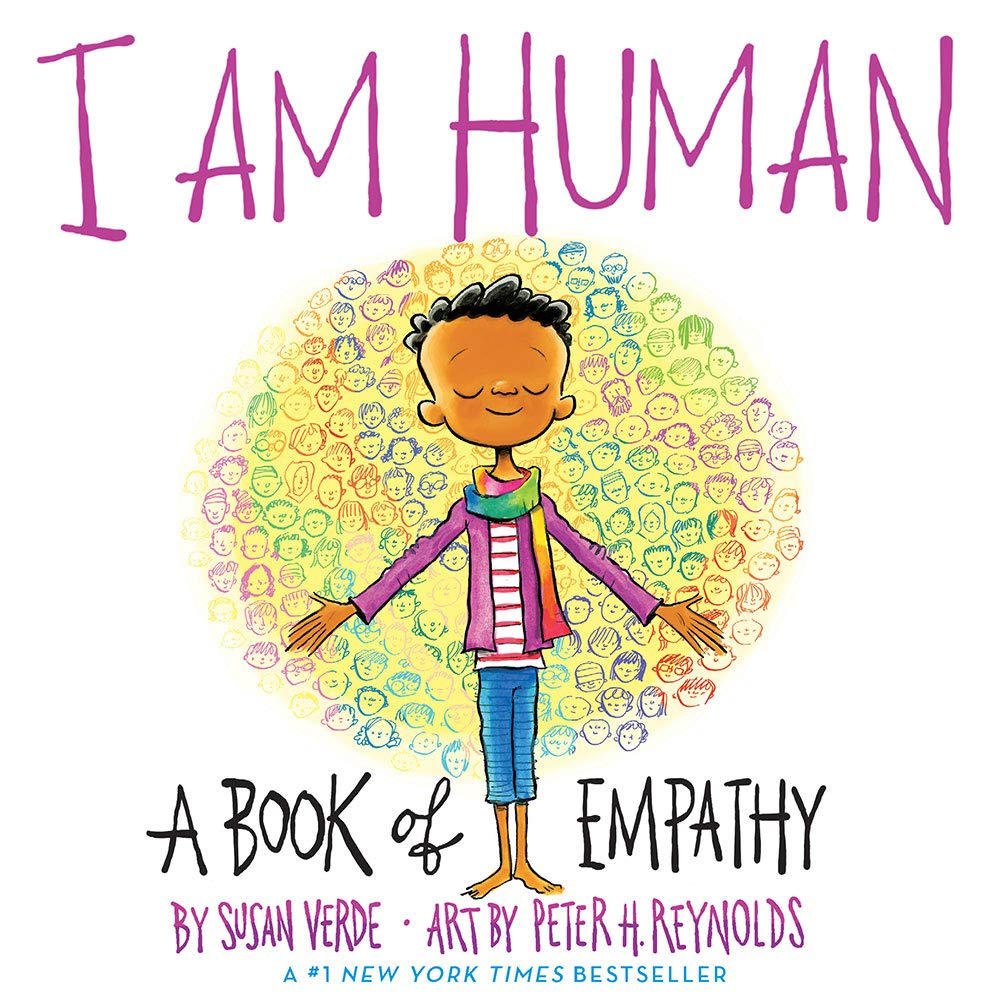
Age Group: 4–8 years
Why it’s great:
“I Am Human” helps kids learn to be kind, caring, and calm. It also teaches that making mistakes is okay and part of learning.
SEL focus:
Being kind to yourself, understanding others, and believing you can grow and get better.
Why parents love it:
Social Emotional Learning Books like this teach good values with simple words and soft, friendly pictures that include everyone.
“When Sophie Gets Angry – Really, Really Angry…“ by Molly Bang
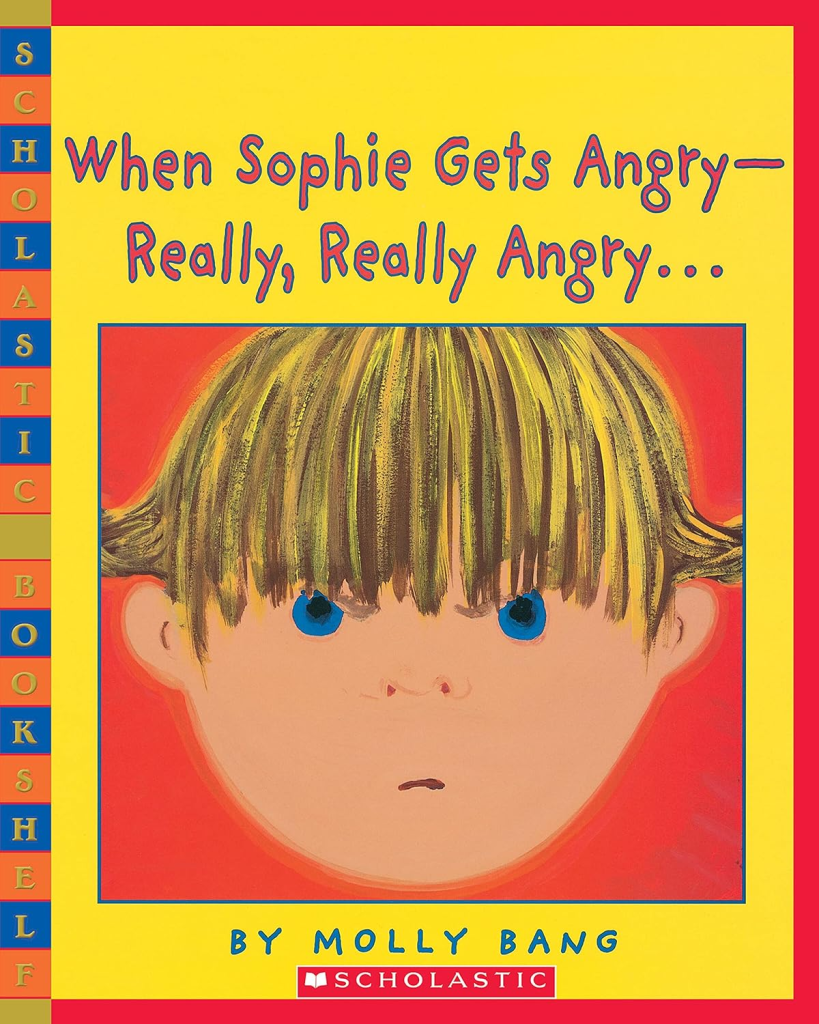
Age Group: 3–7 years
Why it’s great:
SEL books for kids like this offer a true and simple way to show what it feels like to be angry. It helps kids see that it’s okay to feel mad and teaches them good ways to calm down.
SEL focus:
Learning to handle anger and stay calm
Why parents love it:
This book helps parents talk to their kids about big feelings like anger in a kind and gentle way, without blaming or judging.
“What If Everybody Did That?“ by Ellen Javernick
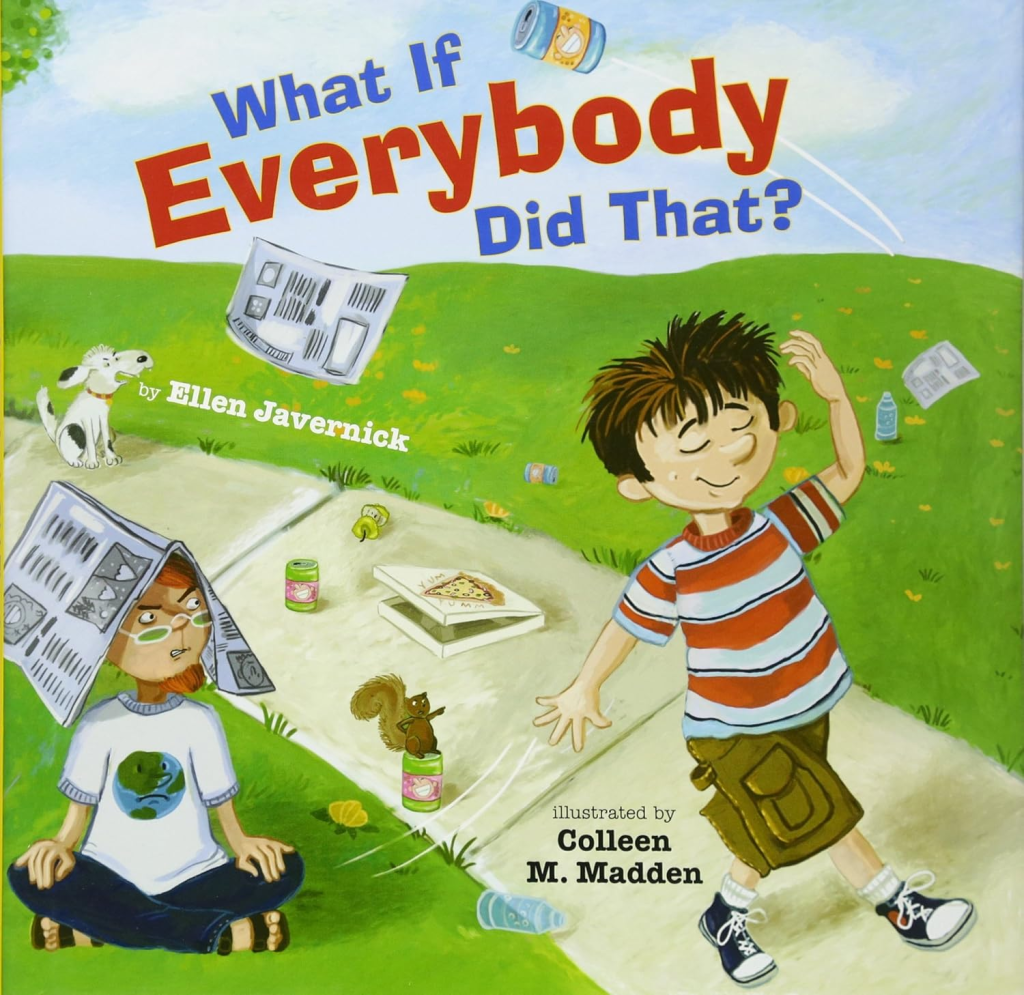
Age Group: 4–8 years
Why it’s great:
This book is funny and uses silly “what if” questions to help kids understand how their actions can affect other people. It teaches kids in a fun way to think about what they do and how it can help or hurt others.
SEL focus:
It helps kids learn about making good choices and being responsible in their community.
Why parents love it:
It helps kids learn to care about others and think before they act. It also teaches how to be kind and helpful in everyday life.
“Enemy Pie“ by Derek Munson: Prominent SEL Books for Kids
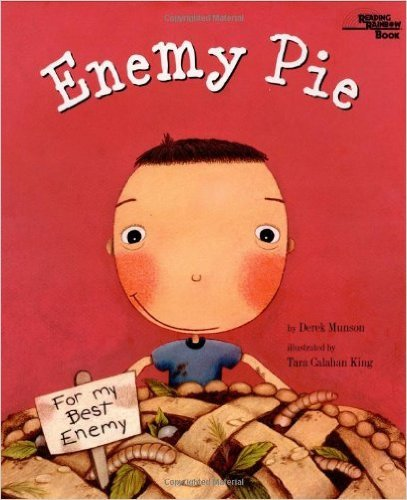
Age Group: 5–10 years
Why it’s great:
This fun and clever story is about a boy who wants to get rid of someone he thinks is his “enemy.” He uses a strange recipe from his dad to try to fix the problem. But as the story goes on, he learns something important—if we give others a chance, they can become our friends.
SEL focus:
Solving problems with others, making new friends, and understanding how others feel
Why parents love it:
It uses humor and creativity to help kids deal with one of the hardest parts of growing up—getting along with people they don’t like at first.
“A Little Spot of Emotion Box Set“ by Diane Alber
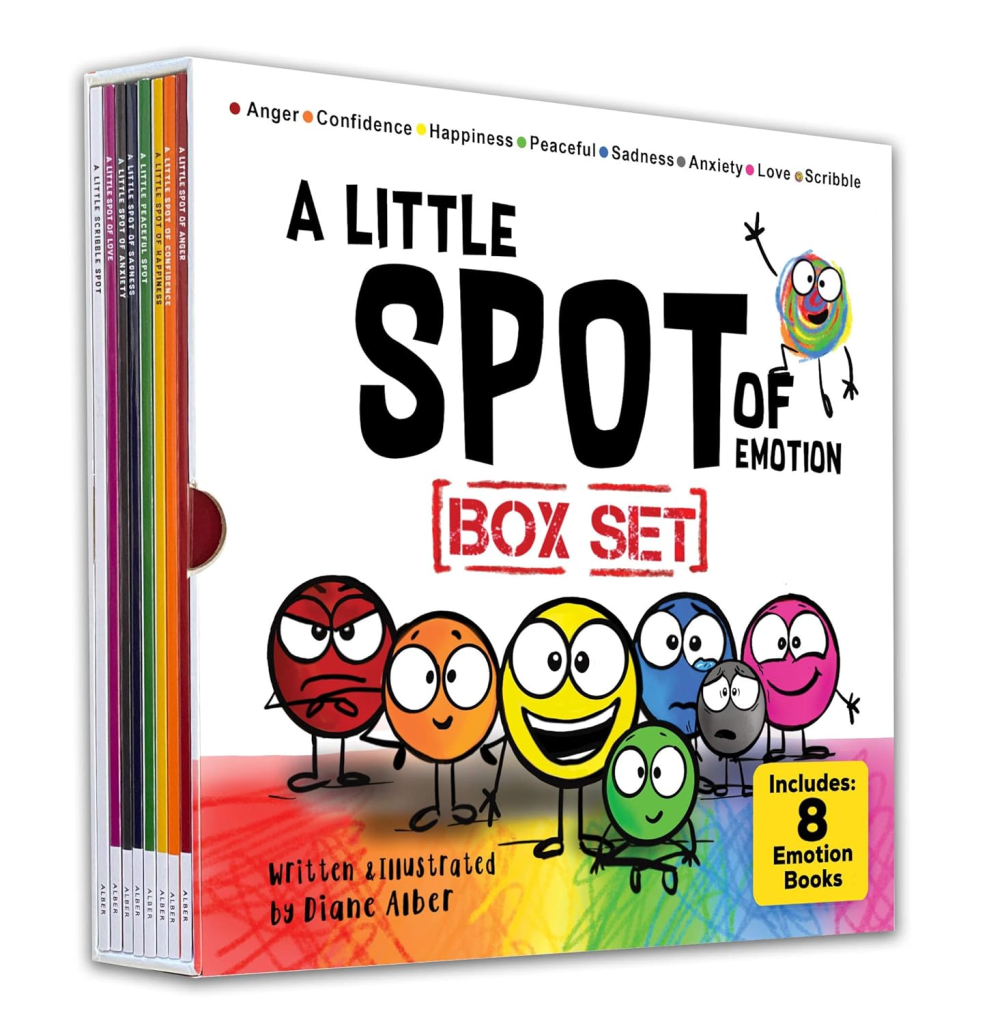
Age Group: 4–9 years old
Why it’s great:
This isn’t just one book. It’s a whole crew of colorful little guides, each one tackling a different emotion head-on. Angry? There’s a Spot for that. Worried? Yep, got that covered too. Each book introduces these adorable “Spot” characters that somehow make big feelings feel… manageable.
What really works is how they break things down. The stories in Social Emotional Learning Books meet kids right where they live – with playground problems, bedtime worries, and all those everyday moments when emotions feel too big. And the Spots? They’re like emotional coaches, showing kids simple “ohhh, so THAT’S what I can do” strategies when feelings get overwhelming.
No fancy psych terms here, just relatable stories that give kids (and let’s be honest, parents too) actual tools they can use. For example, when the Anger Spot shows how to cool down, or the Worry Spot teaches belly breathing. Real stuff for real kids dealing with real feelings.
What it teaches:
These books help kids name their emotions, calm down when upset, and be more mindful.
Why parents love it:
These books? They’re the whole package and genuinely fun to flip through while secretly teaching the kind of life skills every parent wants their kid to have. No wonder so many families swear by them as essential tools for emotional growth.
At the end of the day, these 10 Social Emotional Learning Books aren’t just entertaining stories. While they entertain, they also serve a better purpose. They’re like having a wise, gentle friend helping your child navigate tough moments. No matter what issues you are facing, they offer a helping hand. These books meet kids where they’re at. Whether it’s anger bubbling over, struggles with sharing, or just trying to make sense of big feelings. The magic? They make learning about emotions feel like playtime rather than a lecture.
Here’s the beautiful thing: while these Books That Support SEL are written for kids, there’s plenty for us adults to soak up, too. Ever found yourself flipping through the pages thinking, “Huh, I needed to hear that”? That’s the power of SEL books – they remind us all to be a little more patient, a little more understanding.
So why not start building your SEL library? These Best Emotional Literacy Books for Kids have a way of sparking conversations you didn’t even know you needed to have. And hey, we’d love to hear from you! Got a favorite emotional learning book that didn’t make our list? Drop it in the comments below. After all, we’re all figuring this out together – one story at a time.