In today’s busy world, Mindfulness Books for Kids are great tools to help children feel calm, focused, and happy. If you are a parent, a teacher, or someone who takes care of kids, these Educational books for children can help them become stronger on the inside.
Books for Teaching Mindfulness to Kids
Here are seven top picks for 2025, designed to help kids learn calm, focus, and kindness. Explore these Children’s mindfulness books to support emotional growth and mental well-being.
1. “Brain Trains“ by “Liz Richardson-Sugg”: Prominent among the Best mindfulness books for kids
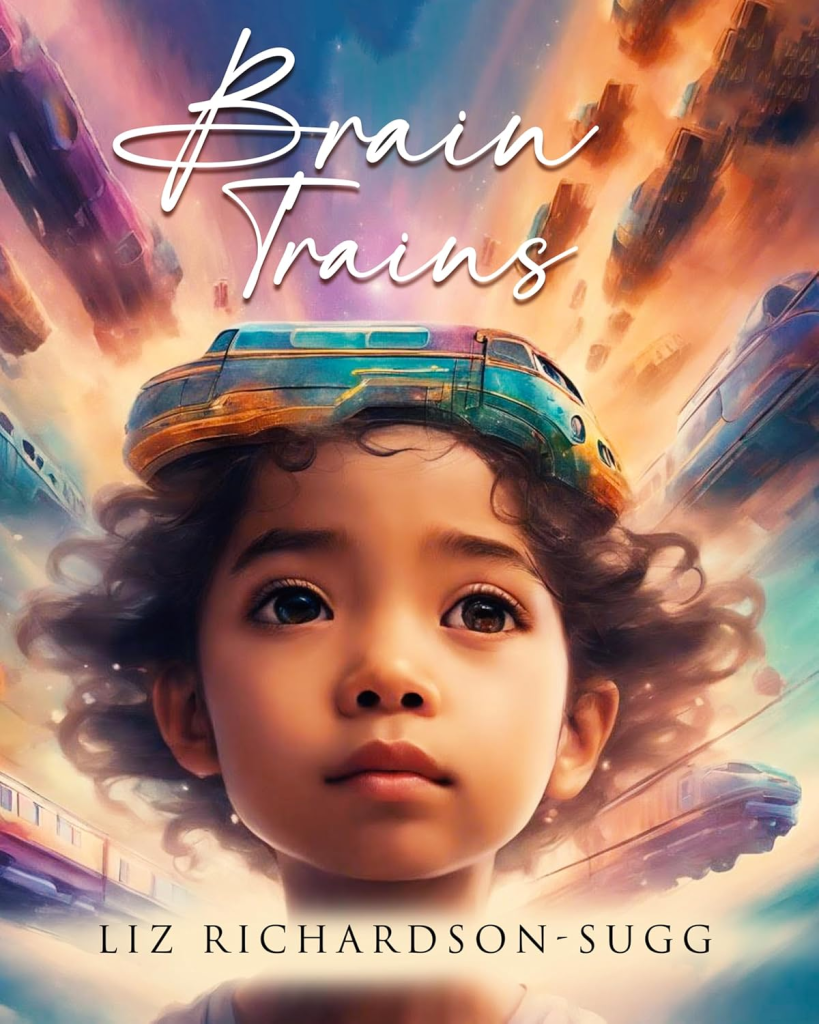
Brain Trains by Liz Richardson-Sugg is a fun and simple way to help kids understand their thoughts. It asks children to imagine their thoughts as trains moving on tracks inside their minds. Some trains go fast, and some go slow. Some are happy, and some are sad, angry, or confused.
However, the best point is this: you are the driving force of the train. This implies that you have freedom in what you do with your thoughts. You can make them slower, turn them in different directions, or just halt them so that you could finally take a breath and feel relaxed. This idea helps kids learn that they are in control of their minds, and they can choose how to think and feel.
This story doesn’t teach by giving strict lessons. Instead, it creates a soft and friendly space where kids can think and reflect. The picture of a train and train tracks gives kids something real to imagine. This helps them better understand big ideas like staying calm, being aware of their feelings, and handling emotions.
This makes it one of the few kids’ books about mindfulness that brings fun stories and healthy family habits together in a simple and helpful way.
Some educational books for children are fun for a short time, and then people forget about them. But Brain Trains is different. It has a message you can use again and again—like before a test, during a meltdown, or when you feel nervous at bedtime.
Teachers can use it in a quiet corner to help kids calm down. Therapists can use it to teach kids about their feelings. And parents can read it often to help their kids feel calm and focused every day.
It’s not just a story—it’s a toolkit.
Here are a few ways to incorporate this brilliant book into your mindfulness routine:
In the morning, read one page with your child and ask, “What thoughts are in your mind today?” At bedtime, use the train idea to help them let go of worries and sleep better. At school, teachers can read it during quiet time or group time. In therapy, counsellors can use the train pictures to help kids talk about how they feel. If brothers or sisters are fighting, children’s mindfulness books like Brain Trains teach mindfulness to children and give them easy words to help them talk it out and make peace.
2. “Breathe Like a Bear“ by “Kira Willey”
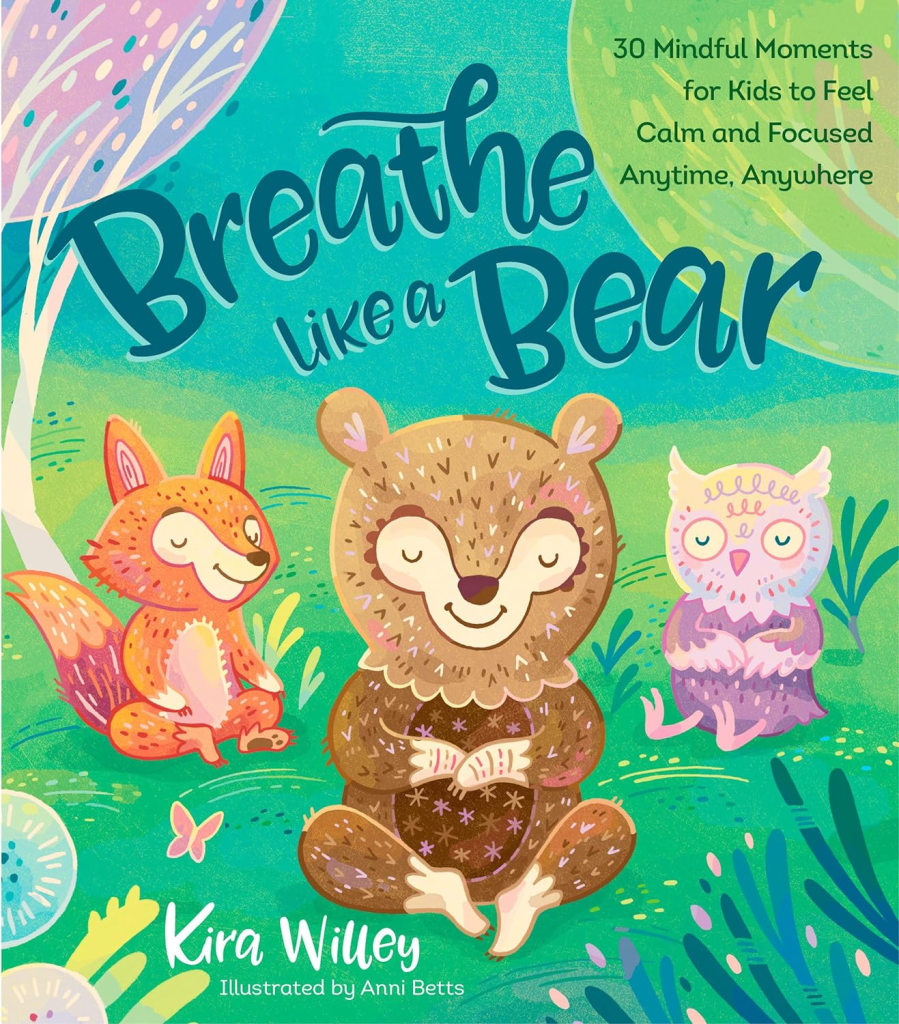
Age: 3–7
A playful and interactive introduction to mindfulness, with 30 engaging breathing techniques like “hot chocolate breathing” and “sleepy sloth.” Kids learn to manage emotions via their breath, making it ideal for classrooms or quiet moments at home.
Why it shines: Its imaginative exercises are easy to implement—no prep needed, just Mindfulness for Kids made fun.
3. “The Mindful Dragon“ by “Steve Herman”
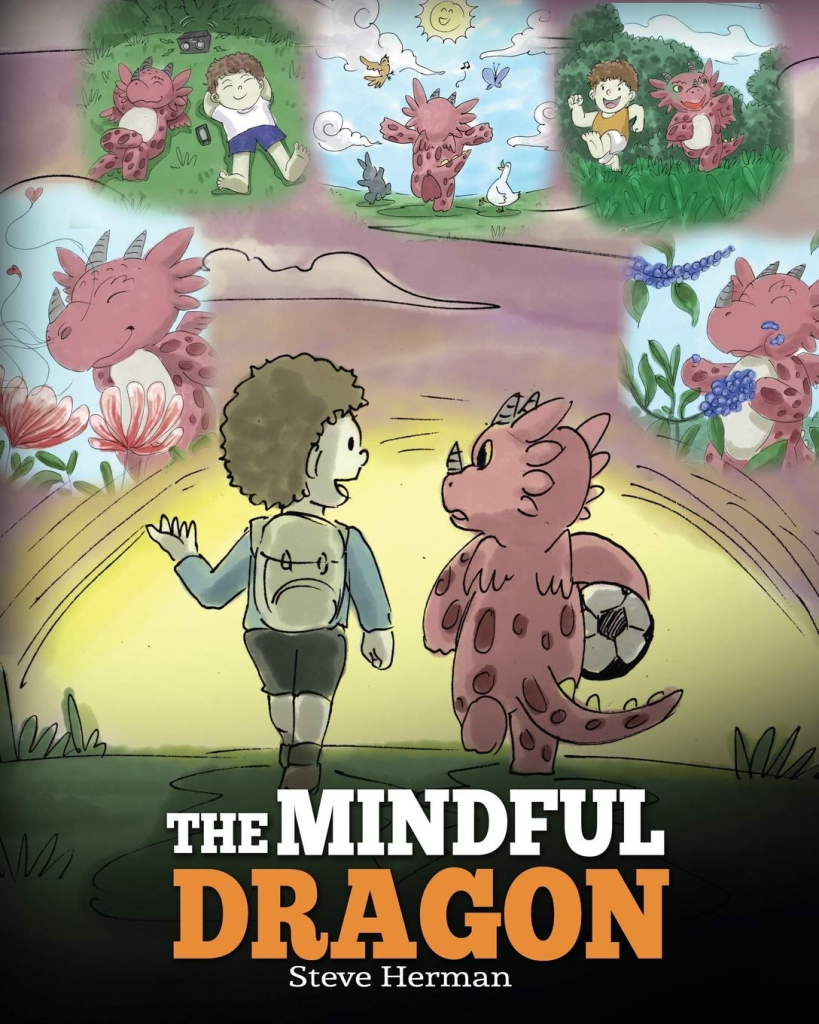
Age: 5–9
Diggory the Dragon experiences a great deal of big feelings, such as fear, frustration and worry. Then, he finds out that mindfulness can make him feel relaxed and make more appropriate decisions by paying attention to his thoughts and feelings. There are also lessons to be learned in this sweet and simple story, and this makes it a perfect book to be read by kids in need of learning how to stay calm and in control. Why read it: Perfect for guiding children through emotional ups and downs.
4. “My Magic Breath: Finding Calm Through Mindful Breathing“ by “Nick Ortner” & “Alison Taylor”
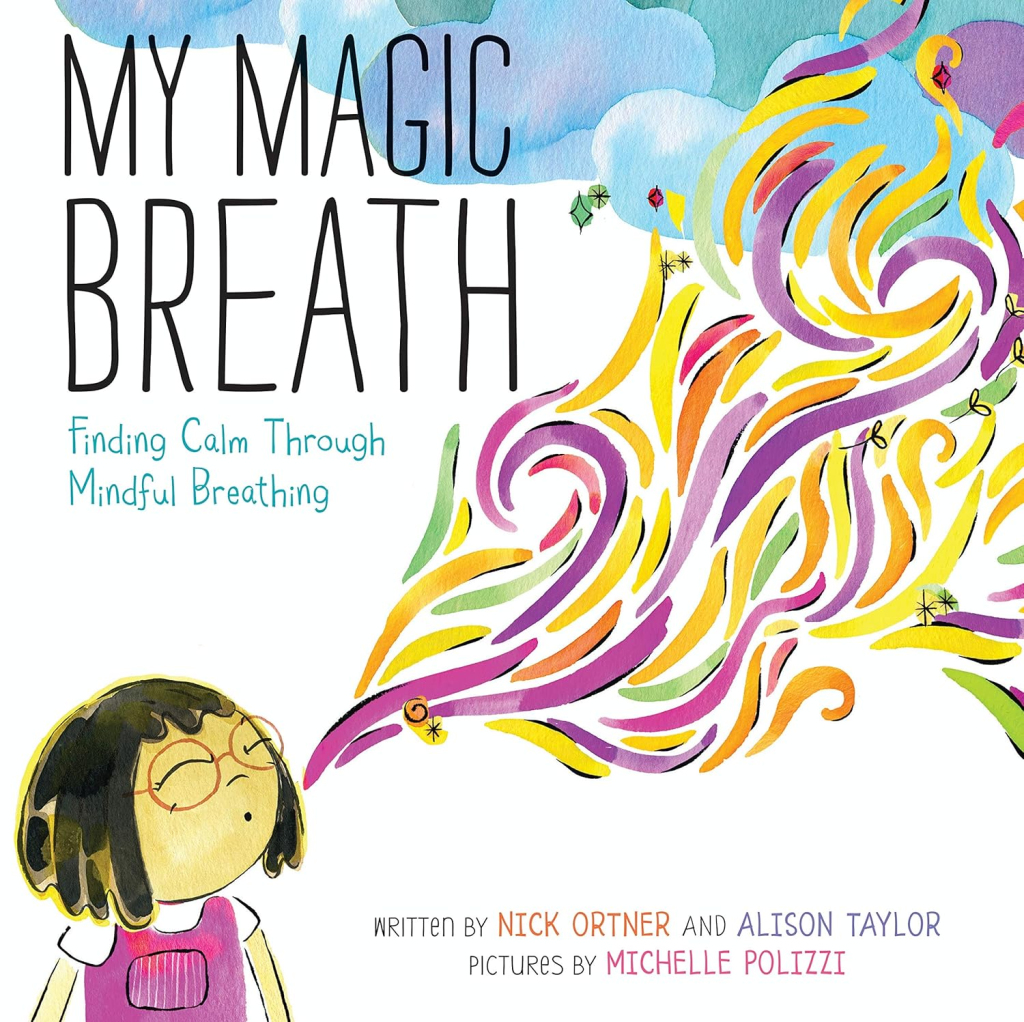
Age: 4–10
This beautifully illustrated, interactive book turns breathing into a magical tool. It empowers children to release stress and embrace positivity. Its tone and visuals make it an excellent Educational Book for Children and a wonderful bedtime ritual.
Why it’s a top pick: Combines calm, creativity, and real-life applications.
5. “Mindful Monkey, Happy Panda“ by “Lauren Alderfer” (illus. Kerry Lee MacLean) From Children books
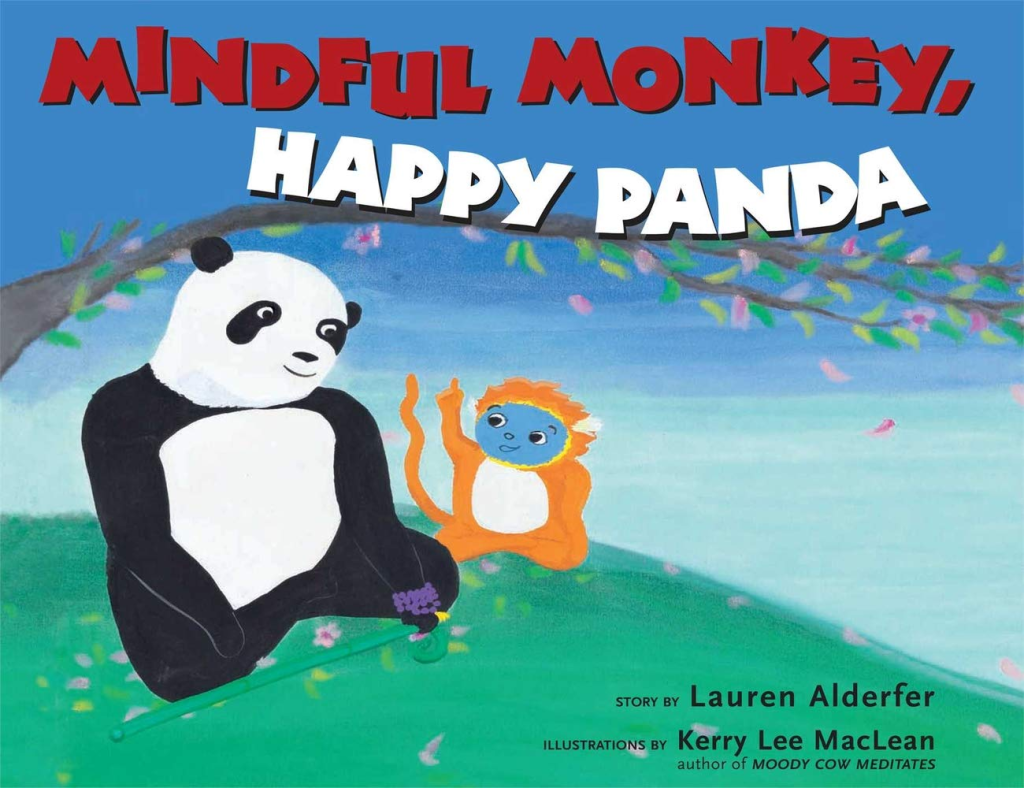
Age: 3–7
Monkey is all hustle until Panda shows him the joy of being present. A whimsical yet insightful story, this book teaches mindfulness through everyday awareness, making it one of the Best Mindfulness Books for Kids.
Why it matters: It uses a dynamic duo and bright illustrations to engage young readers.
6. “What Does It Mean to Be Present?“ by “Rana DiOrio” (illus. Eliza Wheeler)
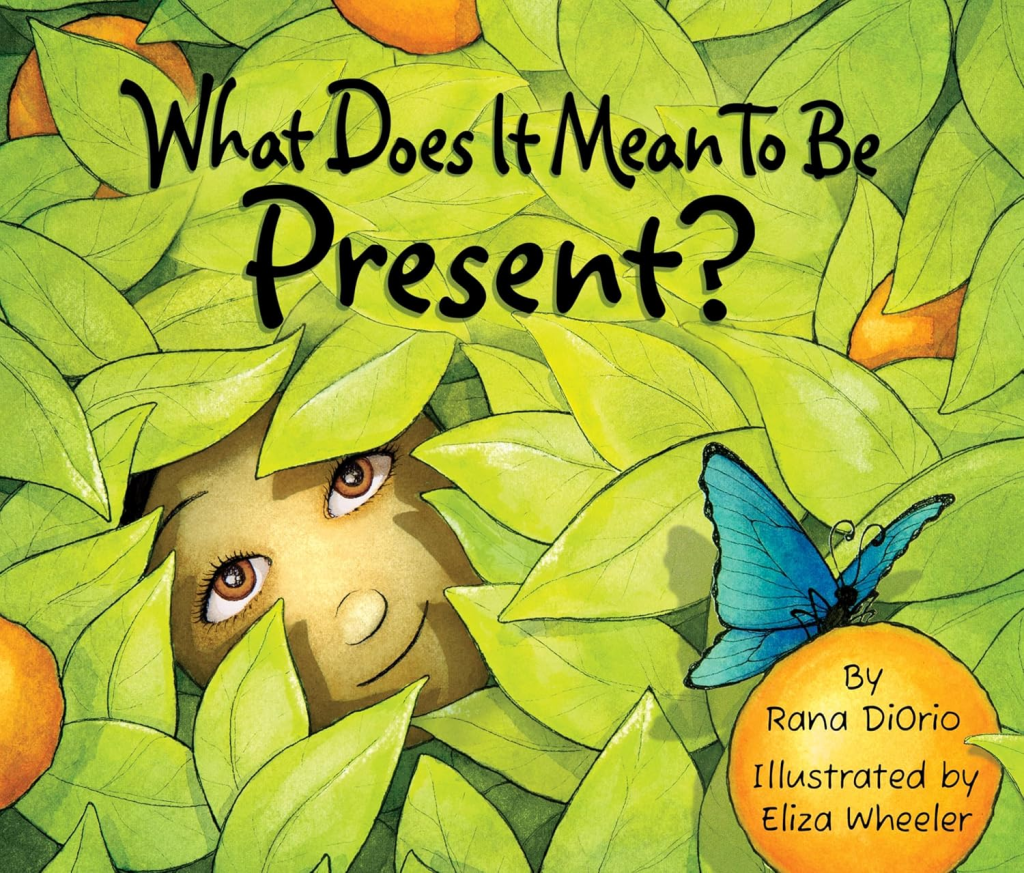
Age: 4–8
This award-winning picture book defines mindfulness through real-world examples—listening, noticing, and being patient. It’s a literal guide to teach mindfulness to child, ideal for homes and classrooms.
Why it’s essential: It explains Children’s Books for Mindfulness in relatable, everyday contexts.
7. “Alphabreaths: The ABCs of Mindful Breathing“ by “Christopher Willard” & “Daniel Rechtschaffen” (illus. Holly Clifton-Brown)
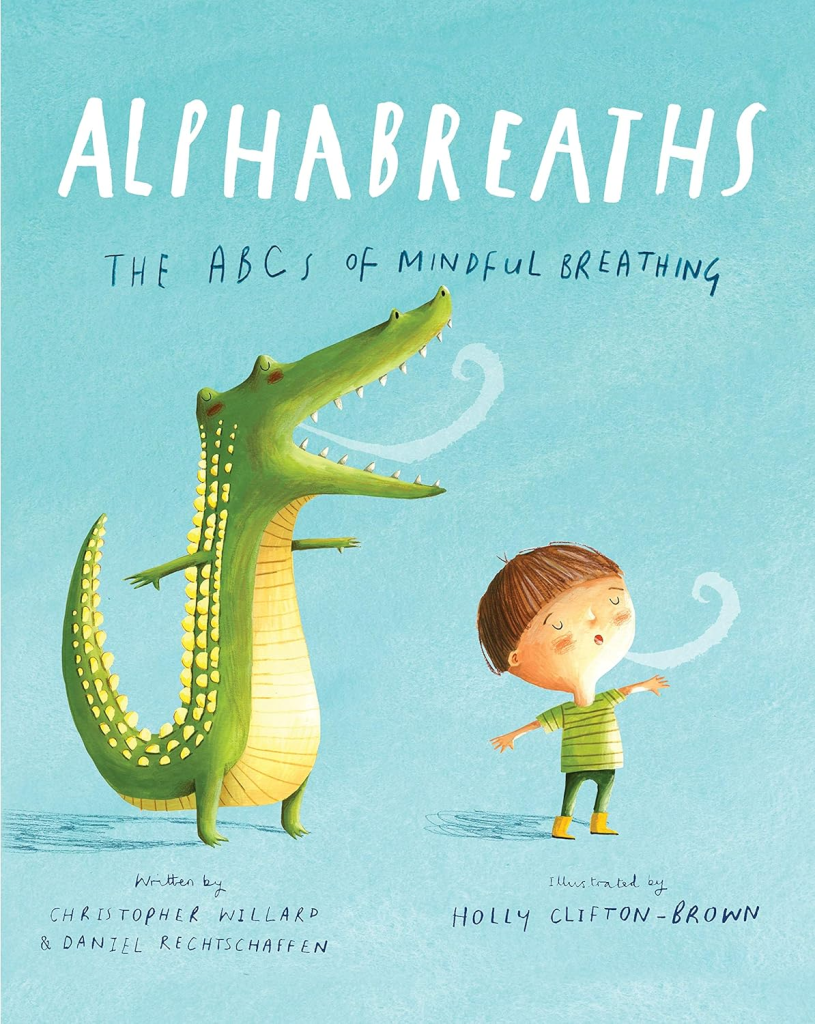
Age: 3–7
An alphabet-based breathing guide—A is for Butterfly Breath, L is for Lion Breath, and so on. Each letter teaches a simple breathing exercise. A playful vocabulary primer for mindfulness, this is truly a standout children books resource.
Why it’s helpful: Its structured format helps kids learn by associating letters with calming practices.
Why These Mindfulness Books for Kids Work
1. Breathe + Body = Instant Calm
From Breathe Like a Bear to My Magic Breath, these books center on breathwork—a simple, portable tool for mindfulness for kids.
2. Emotional Growth Through Story
Characters like Diggory the dragon or Monkey & Panda create a safe space to explore big feelings, making Children’s Books for Mindfulness emotionally grounded.
3. Interactive Engagement
Workbooks like Mindful Kids invite participation—key for learning tools like focus, kindness, and calm.
4. Everyday Applications
Whether painting, breathing, or listening, each title gives actionable steps for Books for Teaching Mindfulness to Kids.
5. Age-Appropriate Learning
From toddlers to preteens, these books meet children where they are developmentally.